
Club Money Mammals Logo

Brought to you by
Your Financial Institution Here

The Money-Smart Kids Timeline

Financial literacy starts early and evolves as kids grow. This page lays out the core money concepts, conversations, and resources that support parents from infancy through the transition into adulthood.

Ages 0-2

Conversations
Ages 0-2
This ball of developing neurons is sucking up information and turning it into knowledge. It might help to think of money like language. Though she may not grasp that a nickel is worth less than a dime or that a dollar isn't a burrito wrap, she is learning a language in the same way she does when you read and talk to her. Start a lifelong conversation at this age by introducing her to the language of money. And make sure she's not swallowing that dime!

Learning tracks: Conversations

Conversations

Conversations

Money-smart learning hinges on our ability to open up a lifelong conversation with our kids. For more detail, this post is helpful.

Ages 3-4

Needs Versus WantsConversations
Ages 3-4
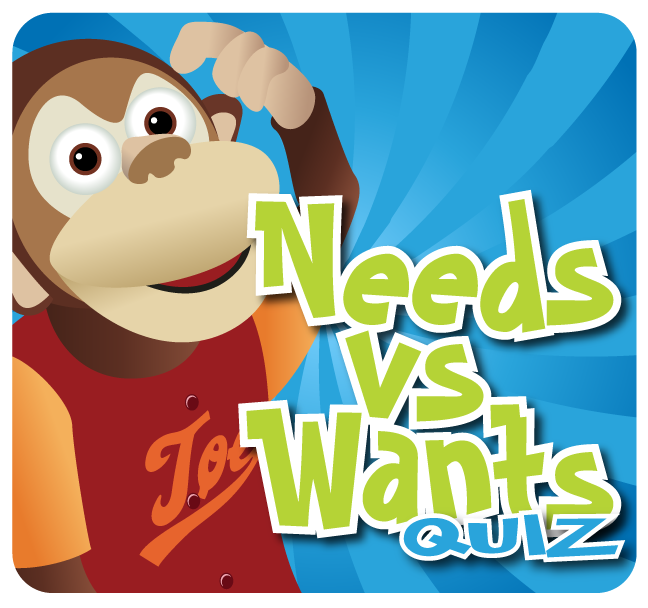
How many more times can he ask you, "Why?" Mr. Inquisitive starts understanding the difference between needs and wants (and "needlets"). He's also slurping up knowledge like so much ramen. On trips to the store, give him some money to spend. Help him find something in his "budget". Let him pay the cashier (rather than just watching you swipe), get change, and miscount it. It's not about accuracy. It's about building his language of money "vocabulary." And don't shy away from answering those "why" questions. We want them to keep coming.


Learning tracks: Needs Versus Wants, Conversations

Conversations

Conversations

Money-smart learning hinges on our ability to open up a lifelong conversation with our kids. For more detail, this post is helpful.

Ages 5-7

Needs Versus WantsConversationsAllowanceSaving For GoalsMaking Smart Money Choices
Ages 5-7
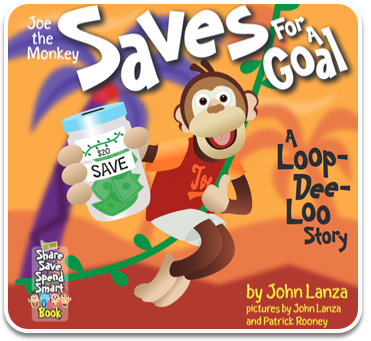
Her brain is moving like a freight train! She's beginning to understand how to control impulses and think longer-term (we're talking days, not years here), time to start an allowance. Break out three jars and label them Share, Save and Spend Smart. You begin years of uttering, "Where does the time go?" She begins her journey to money-smarts in earnest. Be on the lookout for her first goal and make it S.M.A.R.T.!

Learning tracks: Needs Versus Wants, Conversations, Allowance, Saving For Goals, Making Smart Money Choices

Conversations

Conversations

Money-smart learning hinges on our ability to open up a lifelong conversation with our kids. For more detail, this post is helpful.
Allowance

Allowance

It's no surprise that at The Money Mammals powered by The Art of Allowance, an allowance matters. There are so many resources to access here, including the book and the course. If you just want to get started today, then we can help you with that too.
Saving For Goals

Saving For Goals

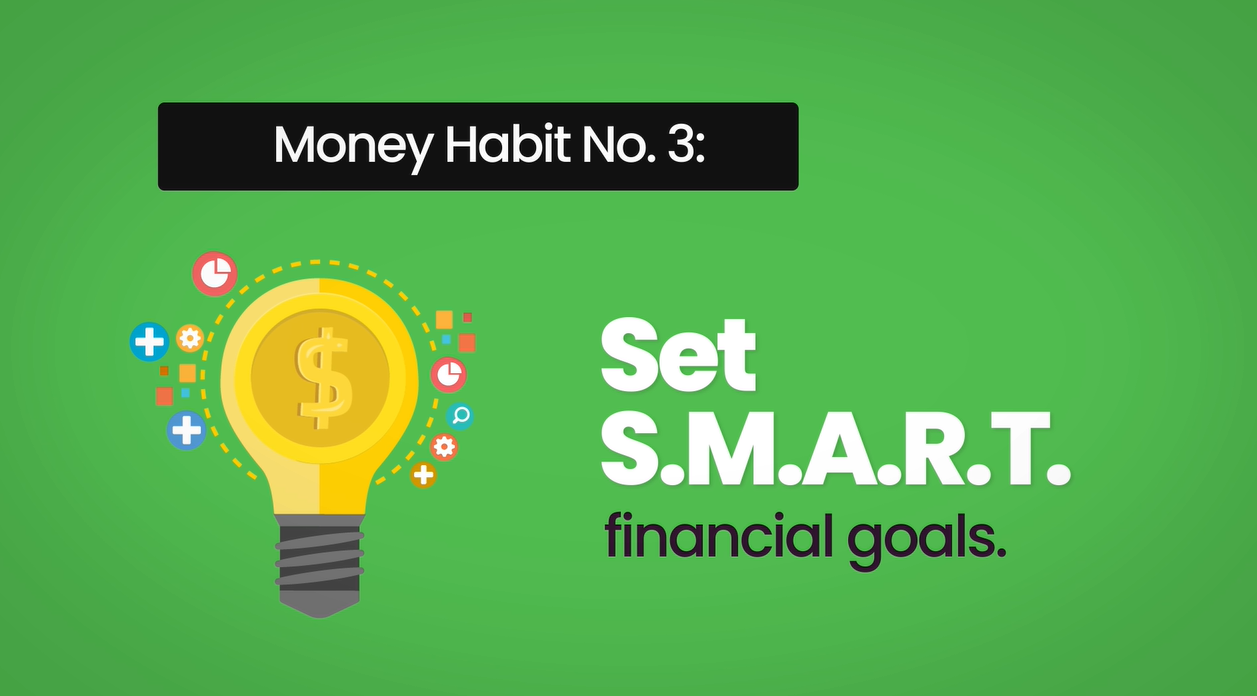
Setting goals and saving for them teach kids essential life skills. Establishing S.M.A.R.T. goals is even better. You can get started with that right here.
Making Smart Money Choices

Making Smart Money Choices

Whenever we receive money, whether through allowance, gifts or paychecks, we're making choices. We're often deciding in an instant to share, save or spend those funds. The latter often wins out. We want our kids to understand that these choices are being made and to help them make better ones as they age.

Ages 8-9

Needs Versus WantsConversationsAllowanceSaving For GoalsMaking Smart Money Choices
Ages 8-9
He is saving for goals and making smart choices. He has a grasp on needs and wants, so you introduce needlets! He is on his way to money-smarts, and your lessons are doing the trick. When you go to the store and he wants something, he may ask you for it. However, he knows you'll likely say, "Set a goal!" Or, if he has his wallet, then he can get it right then and there. Sure, he might make a mistake from time to time, but you realize mistakes are how we learn.

Learning tracks: Needs Versus Wants, Conversations, Allowance, Saving For Goals, Making Smart Money Choices

Conversations

Conversations

Money-smart learning hinges on our ability to open up a lifelong conversation with our kids. For more detail, this post is helpful.
Allowance

Allowance

It's no surprise that at The Money Mammals powered by The Art of Allowance, an allowance matters. There are so many resources to access here, including the book and the course. If you just want to get started today, then we can help you with that too.
Saving For Goals

Saving For Goals

Setting goals and saving for them teach kids essential life skills. Establishing S.M.A.R.T. goals is even better. You can get started with that right here.
Making Smart Money Choices

Making Smart Money Choices

Whenever we receive money, whether through allowance, gifts or paychecks, we're making choices. We're often deciding in an instant to share, save or spend those funds. The latter often wins out. We want our kids to understand that these choices are being made and to help them make better ones as they age.

Ages 10-12

Breakthrough AllowanceDigital MoneyNeeds Versus WantsConversationsSaving For GoalsMaking Smart Money Choices
Ages 10-12
She's now in her "tweens." These initial and transitional adolescent "bridge" years can be difficult in school and in life. In money, though, she is gaining confidence on her money-smart journey. And just in time. Her friends begin to displace you as the center of her universe. Who knows what lessons those friends have learned, if any, about money? It may be time to transition from your physical three-jar system to a digital one. She may also be ready to handle more money and more responsibility. The Breakthrough Allowance can help.

Learning tracks: Breakthrough Allowance, Digital Money, Needs Versus Wants, Conversations, Saving For Goals, Making Smart Money Choices

Breakthrough Allowance

Breakthrough Allowance

Now that you have a tween or teen, it's time for your allowance program to join the big leagues. You can find out more about the Breakthrough Allowance here or simply get started right here.
Digital Money

Digital Money

Your kids are receiving an allowance to learn to be smart about money. With the introduction of digital money in the form of a debit card, they are also developing control of and responsibility for more substantial areas such as clothing, communication, gifts and food. It's ok to be leery of the digital domain, but your kids will eventually need to know how to thrive here. Starting early (Sound familiar?) is a good way to build a solid foundation of digital money-smart habits. Let this blog post be your guide to navigating this crucial step towards money empowerment.
Conversations

Conversations

Money-smart learning hinges on our ability to open up a lifelong conversation with our kids. For more detail, this post is helpful.
Saving For Goals

Saving For Goals

Setting goals and saving for them teach kids essential life skills. Establishing S.M.A.R.T. goals is even better. You can get started with that right here.
Making Smart Money Choices

Making Smart Money Choices

Whenever we receive money, whether through allowance, gifts or paychecks, we're making choices. We're often deciding in an instant to share, save or spend those funds. The latter often wins out. We want our kids to understand that these choices are being made and to help them make better ones as they age.

Ages 13-15

Breakthrough AllowanceDigital MoneyNeeds Versus WantsConversationsSaving For GoalsMaking Smart Money Choices
Ages 13-15
With his Breakthrough Allowance, he's now responsible for food while out with friends as well as gifts for them, his smartphone charges and all his clothes. You've simplified things on your end by introducing digital money with a debit card, but you keep tabs on his spending and help him when trouble arises. You're still his sherpa on this journey. You may need to be on the lookout for retail therapy when relationships with friends or significant others inevitably sour. And with the larger amounts of money she now controls, you might want to invoke the waiting period when possible.

Learning tracks: Breakthrough Allowance, Digital Money, Needs Versus Wants, Conversations, Saving For Goals, Making Smart Money Choices

Breakthrough Allowance

Breakthrough Allowance

Now that you have a tween or teen, it's time for your allowance program to join the big leagues. You can find out more about the Breakthrough Allowance here or simply get started right here.
Digital Money

Digital Money

Your kids are receiving an allowance to learn to be smart about money. With the introduction of digital money in the form of a debit card, they are also developing control of and responsibility for more substantial areas such as clothing, communication, gifts and food. It's ok to be leery of the digital domain, but your kids will eventually need to know how to thrive here. Starting early (Sound familiar?) is a good way to build a solid foundation of digital money-smart habits. Let this blog post be your guide to navigating this crucial step towards money empowerment.
Conversations

Conversations

Money-smart learning hinges on our ability to open up a lifelong conversation with our kids. For more detail, this post is helpful.
Saving For Goals

Saving For Goals

Setting goals and saving for them teach kids essential life skills. Establishing S.M.A.R.T. goals is even better. You can get started with that right here.
Making Smart Money Choices

Making Smart Money Choices

Whenever we receive money, whether through allowance, gifts or paychecks, we're making choices. We're often deciding in an instant to share, save or spend those funds. The latter often wins out. We want our kids to understand that these choices are being made and to help them make better ones as they age.

Ages 16-18

Breakthrough AllowanceDigital MoneyNeeds Versus WantsConversationsSaving For GoalsMaking Smart Money ChoicesInvesting
Ages 16-18
Where does the time go? And you thought time was flying when she was five! Although you may not have all the answers when she asks you about investing, you're confident that you can guide her initial foray into that world. You discuss with her that the college decision she may soon be making is an educational and a financial one. You both must understand for what you're budgeting and how much student debt, if any, will be acceptable.

Learning tracks: Breakthrough Allowance, Digital Money, Needs Versus Wants, Conversations, Saving For Goals, Making Smart Money Choices, Investing

Breakthrough Allowance

Breakthrough Allowance

Now that you have a tween or teen, it's time for your allowance program to join the big leagues. You can find out more about the Breakthrough Allowance here or simply get started right here.
Digital Money

Digital Money

Your kids are receiving an allowance to learn to be smart about money. With the introduction of digital money in the form of a debit card, they are also developing control of and responsibility for more substantial areas such as clothing, communication, gifts and food. It's ok to be leery of the digital domain, but your kids will eventually need to know how to thrive here. Starting early (Sound familiar?) is a good way to build a solid foundation of digital money-smart habits. Let this blog post be your guide to navigating this crucial step towards money empowerment.
Conversations

Conversations

Money-smart learning hinges on our ability to open up a lifelong conversation with our kids. For more detail, this post is helpful.
Saving For Goals

Saving For Goals

Setting goals and saving for them teach kids essential life skills. Establishing S.M.A.R.T. goals is even better. You can get started with that right here.
Making Smart Money Choices

Making Smart Money Choices

Whenever we receive money, whether through allowance, gifts or paychecks, we're making choices. We're often deciding in an instant to share, save or spend those funds. The latter often wins out. We want our kids to understand that these choices are being made and to help them make better ones as they age.
Investing

Investing

You don't have to be Warren Buffet to teach your children about investing! Support your kids' interests when purchasing those first shares, and wait for the opportunities for conversation to arise. Don't be afraid to share your own mistakes as well! This blog post and podcast episode can help break the ice.

The Great Beyond

The Great Beyond
He is off on the great adventure. You've done what you can to raise him right. Now it's his life to discover. He will use money to craft the life that he wants. You can rest assured that he has a path to follow that will include money-smarts. And you can always help him when he calls with questions.

He is becoming money-empowered.